
How to make lightweight fabric more wrinkle - resistant?
Jan 06, 2026
Leave a message
As a seasoned lightweight fabric supplier, I've witnessed firsthand the challenges that come with maintaining the pristine appearance of lightweight fabrics. One of the most common issues is wrinkling, which can detract from the overall aesthetic and functionality of the fabric. In this blog post, I'll share some effective strategies on how to make lightweight fabric more wrinkle-resistant, drawing on my years of experience in the industry.
Understanding the Causes of Wrinkling in Lightweight Fabrics
Before we delve into the solutions, it's essential to understand why lightweight fabrics are prone to wrinkling. Lightweight fabrics typically have a looser weave or structure, which makes them more flexible and breathable. However, this also means that they are more susceptible to creasing and wrinkling when subjected to pressure or movement. Additionally, the fibers used in lightweight fabrics, such as cotton, silk, and linen, are often more delicate and prone to wrinkling than heavier fibers.
Choosing the Right Fibers
One of the most effective ways to make lightweight fabric more wrinkle-resistant is to choose the right fibers. Some fibers are naturally more wrinkle-resistant than others, and incorporating these fibers into your fabric can significantly reduce wrinkling.
- Polyester: Polyester is a synthetic fiber that is known for its durability and wrinkle resistance. It is often blended with other fibers, such as cotton or silk, to improve the fabric's wrinkle resistance while maintaining its softness and breathability. For example, a cotton-polyester blend can provide the best of both worlds, offering the natural feel of cotton with the wrinkle resistance of polyester.
- Nylon: Nylon is another synthetic fiber that is highly wrinkle-resistant. It is also strong and lightweight, making it a popular choice for outdoor and activewear fabrics. Nylon can be blended with other fibers to create a fabric that is both wrinkle-resistant and comfortable to wear.
- Rayon: Rayon is a semi-synthetic fiber that is made from natural cellulose. It has a soft, silky feel and is often used as a substitute for silk. While rayon is not as wrinkle-resistant as polyester or nylon, it can be treated with special finishes to improve its wrinkle resistance.
Using Special Finishes
In addition to choosing the right fibers, applying special finishes to lightweight fabrics can also enhance their wrinkle resistance. These finishes work by coating the fibers with a thin layer of chemicals that help to prevent them from wrinkling.
- Wrinkle-Resistant Finishes: There are several types of wrinkle-resistant finishes available, including chemical finishes and resin finishes. Chemical finishes work by modifying the structure of the fibers, making them more resistant to wrinkling. Resin finishes, on the other hand, form a protective layer on the surface of the fabric, which helps to prevent wrinkles from forming.
- Silicone Finishes: Silicone finishes can also be used to make lightweight fabrics more wrinkle-resistant. These finishes work by reducing the friction between the fibers, making it easier for the fabric to slide over itself and preventing wrinkles from forming. Silicone finishes can also improve the fabric's water repellency and stain resistance.
- Crosslinking Finishes: Crosslinking finishes are another type of finish that can be used to improve the wrinkle resistance of lightweight fabrics. These finishes work by creating chemical bonds between the fibers, which helps to hold the fabric in place and prevent it from wrinkling. Crosslinking finishes are often used in combination with other finishes to achieve the best results.
Proper Weaving and Knitting Techniques
The way a fabric is woven or knitted can also affect its wrinkle resistance. Certain weaving and knitting techniques can create a more stable fabric structure, which is less prone to wrinkling.
- Twill Weave: The twill weave is a popular choice for lightweight fabrics because it creates a diagonal pattern that is more stable than a plain weave. This makes the fabric less likely to wrinkle and more durable. For example, our 1/3 Twill Light Fabric uses a twill weave to provide excellent wrinkle resistance and durability.
- Satin Weave: The satin weave is another option for lightweight fabrics that are more wrinkle-resistant. Satin weaves have a smooth, shiny surface and a more stable structure than plain weaves. This makes the fabric less likely to wrinkle and more suitable for formal or dressy applications.
- Double Knit: Double knit is a knitting technique that creates a fabric with two layers of knitting. This makes the fabric more stable and less prone to wrinkling. Double knit fabrics are often used for sweaters, dresses, and other garments that require a more structured look.
Care and Maintenance
Proper care and maintenance are essential for keeping lightweight fabrics wrinkle-free. Here are some tips to help you maintain the wrinkle resistance of your lightweight fabrics:

- Washing: When washing lightweight fabrics, it's important to use a gentle cycle and cold water. Avoid using harsh detergents or bleach, as these can damage the fabric and reduce its wrinkle resistance. Instead, use a mild detergent that is specifically designed for delicate fabrics.
- Drying: To prevent wrinkling, it's best to air dry lightweight fabrics. If you need to use a dryer, use a low heat setting and remove the fabric from the dryer while it is still slightly damp. This will help to prevent the fabric from shrinking and wrinkling.
- Ironing: If you need to iron lightweight fabrics, use a low heat setting and a pressing cloth to protect the fabric. Avoid ironing the fabric when it is dry, as this can cause the fabric to become stiff and lose its wrinkle resistance. Instead, lightly mist the fabric with water before ironing to make it easier to smooth out the wrinkles.
Conclusion
Making lightweight fabric more wrinkle-resistant is a combination of choosing the right fibers, using special finishes, employing proper weaving and knitting techniques, and practicing good care and maintenance. By following these strategies, you can ensure that your lightweight fabrics stay looking their best and remain wrinkle-free for longer.
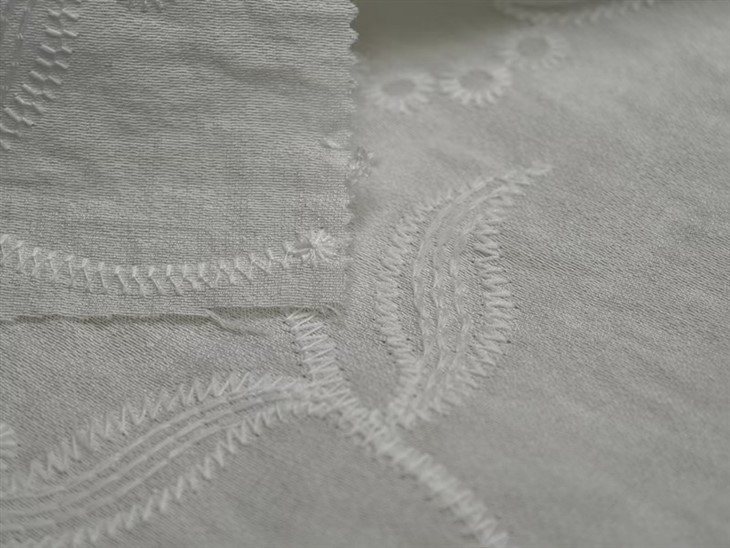
If you're interested in purchasing high-quality, wrinkle-resistant lightweight fabrics, I invite you to explore our extensive range of products. We offer a variety of lightweight fabrics, including 1/3 Twill Light Fabric, Viscose Plain Weave Fabric Without Elasticity Embroidery, and Two-thirds Stripes Fabric. Our fabrics are carefully selected and treated to provide excellent wrinkle resistance, durability, and comfort.
If you have any questions or would like to discuss your specific fabric needs, please don't hesitate to contact us. We're here to help you find the perfect fabric for your project and provide you with the support and guidance you need to make the most of your purchase.
References
- Textile Institute. (2019). Handbook of Textile Fibre Structure. Woodhead Publishing.
- Tortora, P. G., & Merkel, J. B. (2016). Fairchild's Dictionary of Textiles. Fairchild Books.
- Zurek, J. (2018). Textile Science. Pearson.